TECHNICAL REPORT : HIGH DESERT COATINGS
Protecting Your Investment
An engineering perspective on high-desert paint degradation, substrate micro-fracturing, and industrial surface preparation standards across Northern Nevada.
The 7-to-10-Year Repaint Cycle
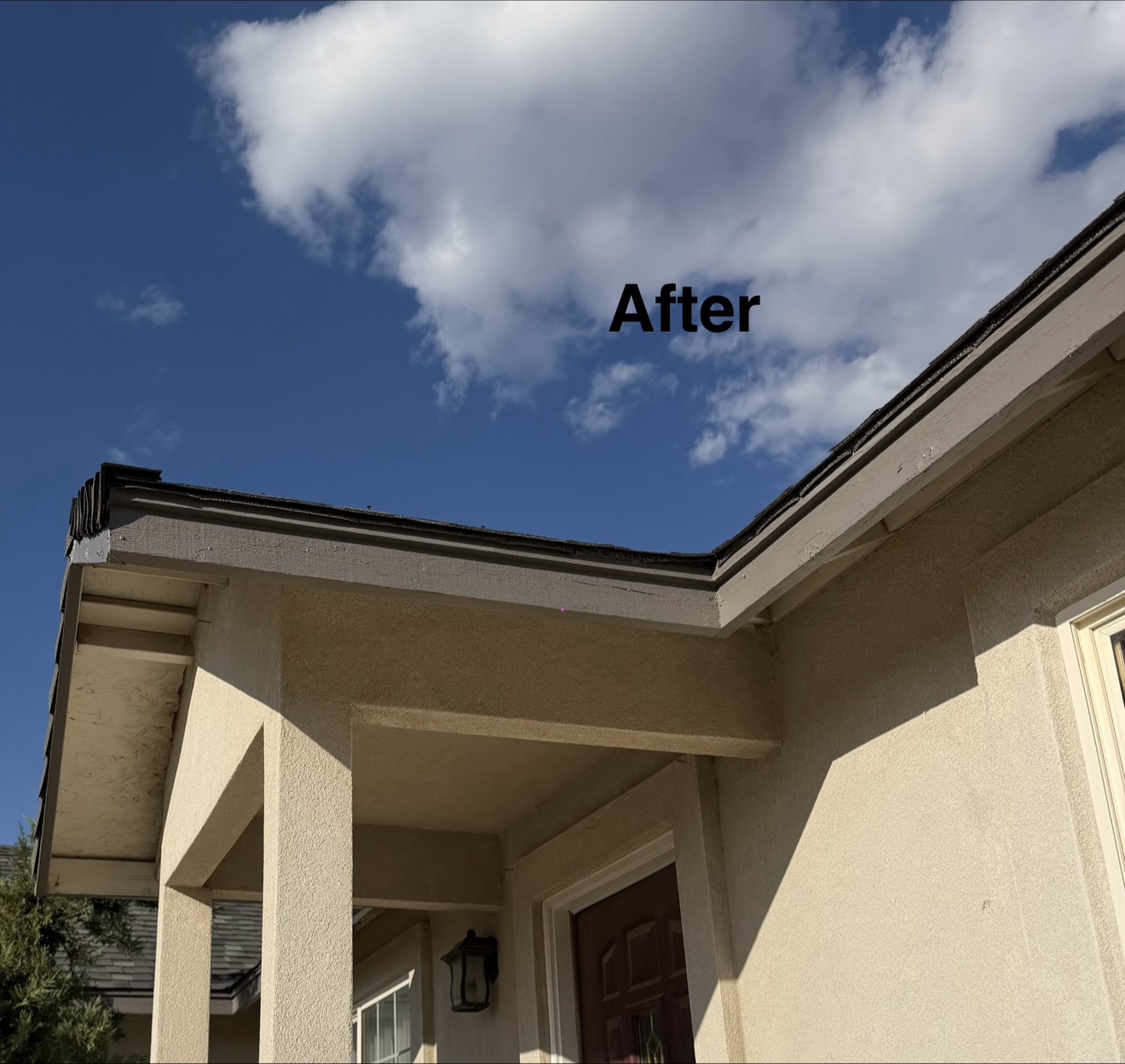
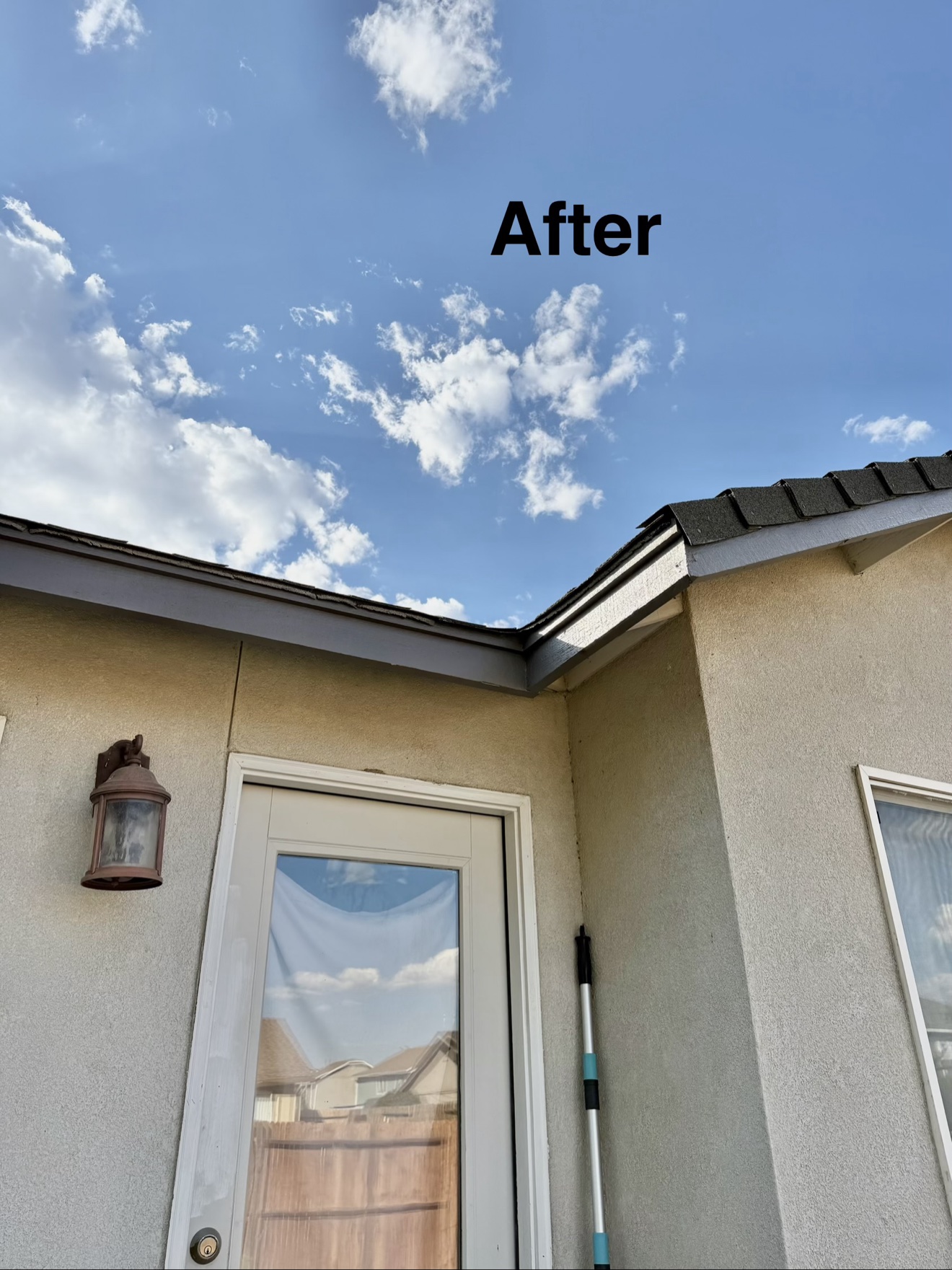
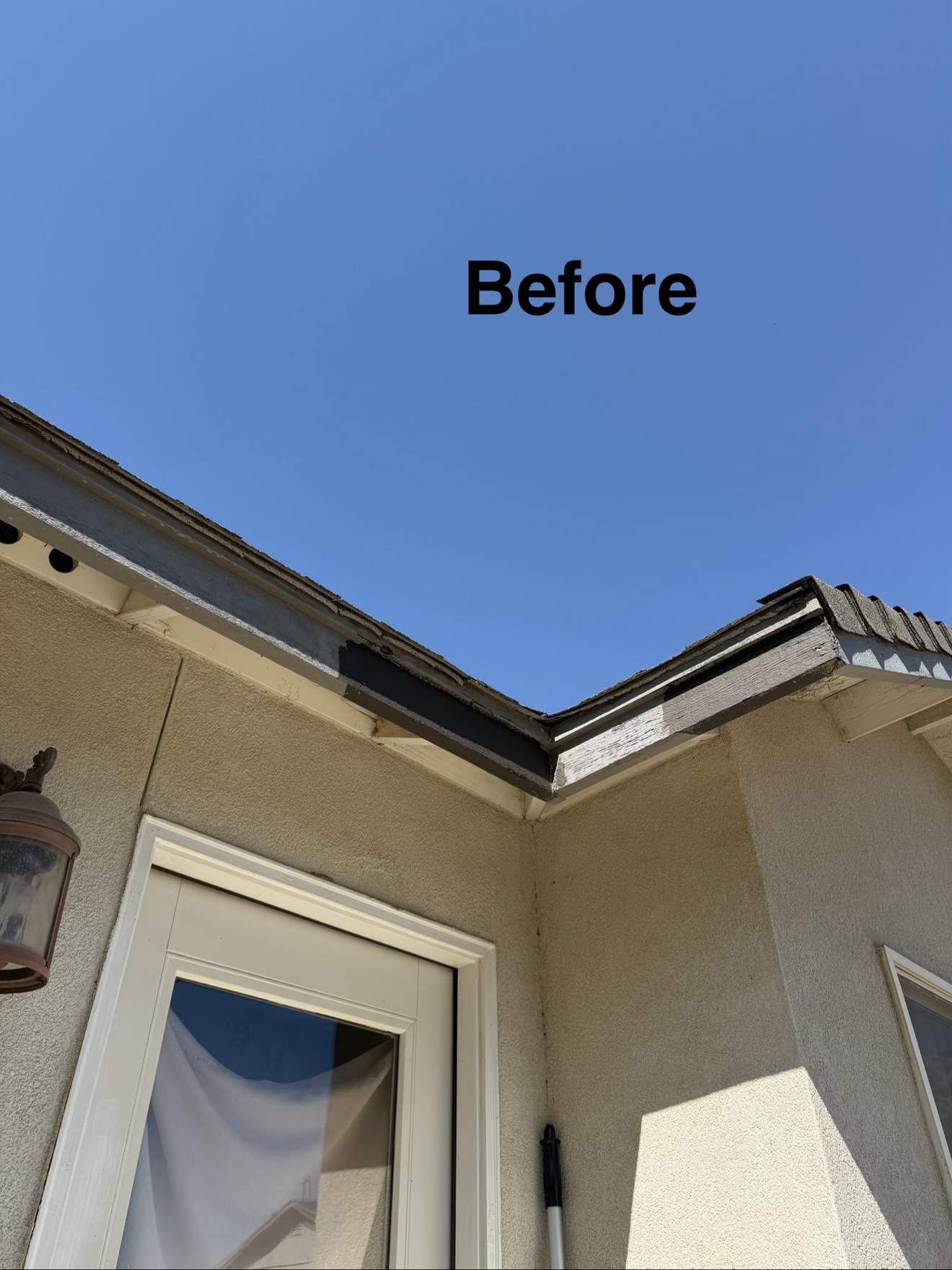
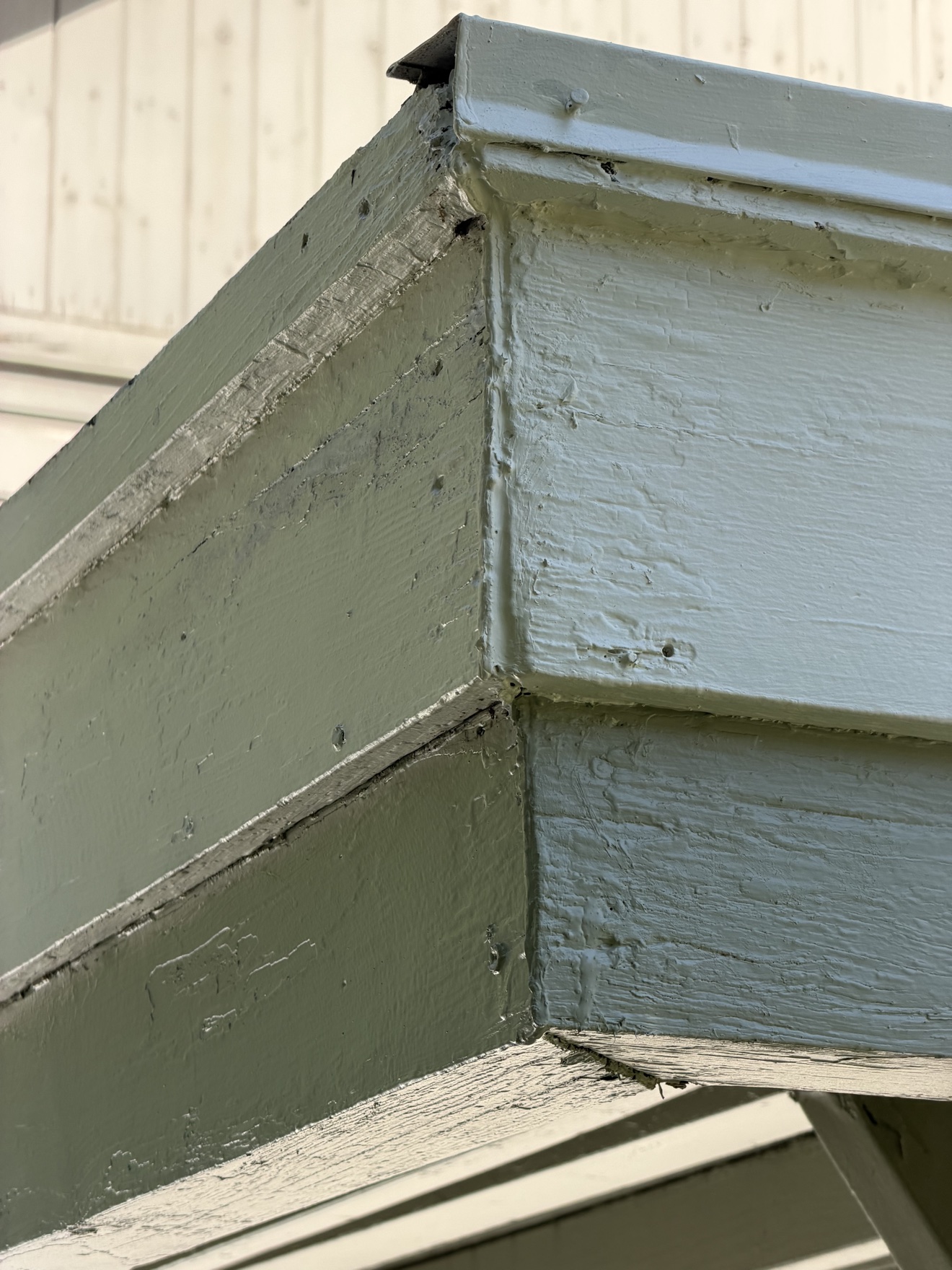
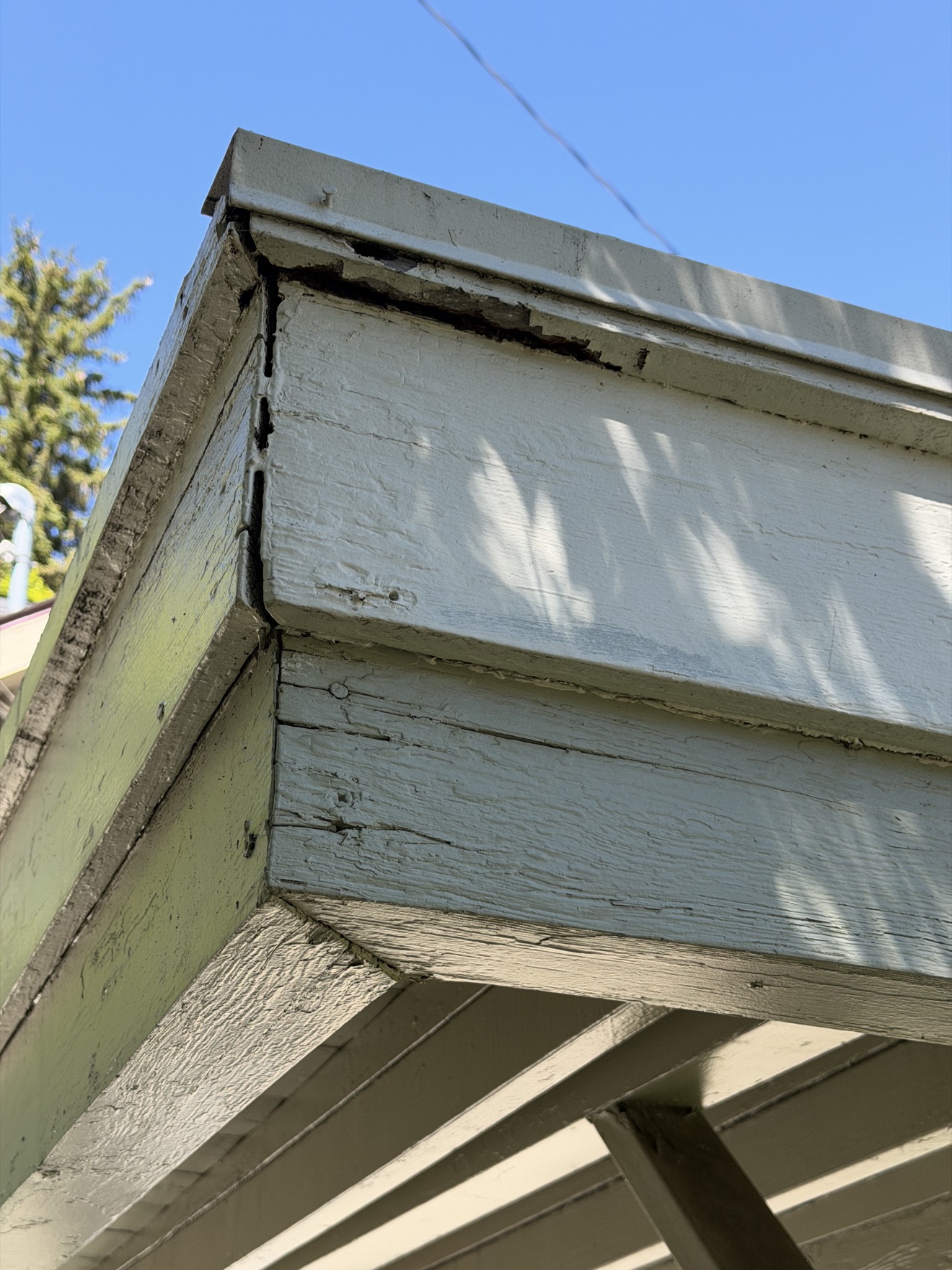
In standard temperate regions, exterior architectural coatings can endure for well over twelve years before requiring remediation. In the Truckee Meadows basin, however, elevation (4,500+ ft) and severe atmospheric shifts accelerate material degradation into a compressed 7-to-10-year cycle. When property owners postpone repainting beyond the eighth year, the failure mode rapidly migrates from cosmetic chalking to active structural breakdown of the underlying substrate. Stucco begins absorbing moisture, cedar siding cups and cracks, and composite trim swells. Timely maintenance prevents costly structural re-sheathing and ensures protective barriers remain hermetically sealed.
How Reno's UV, Wind, and Freeze-Thaw Wear Paint Down
Three harsh environmental forces converge in Western Nevada to attack exterior paint films simultaneously:
1. Photochemical Solar Breakdown: Over 300 days of intense high-altitude UV radiation bombard south and west-facing elevations. This solar intensity breaks chemical polymer chains within standard latex resins, causing binder failure, pigment leaching, and severe surface chalking.
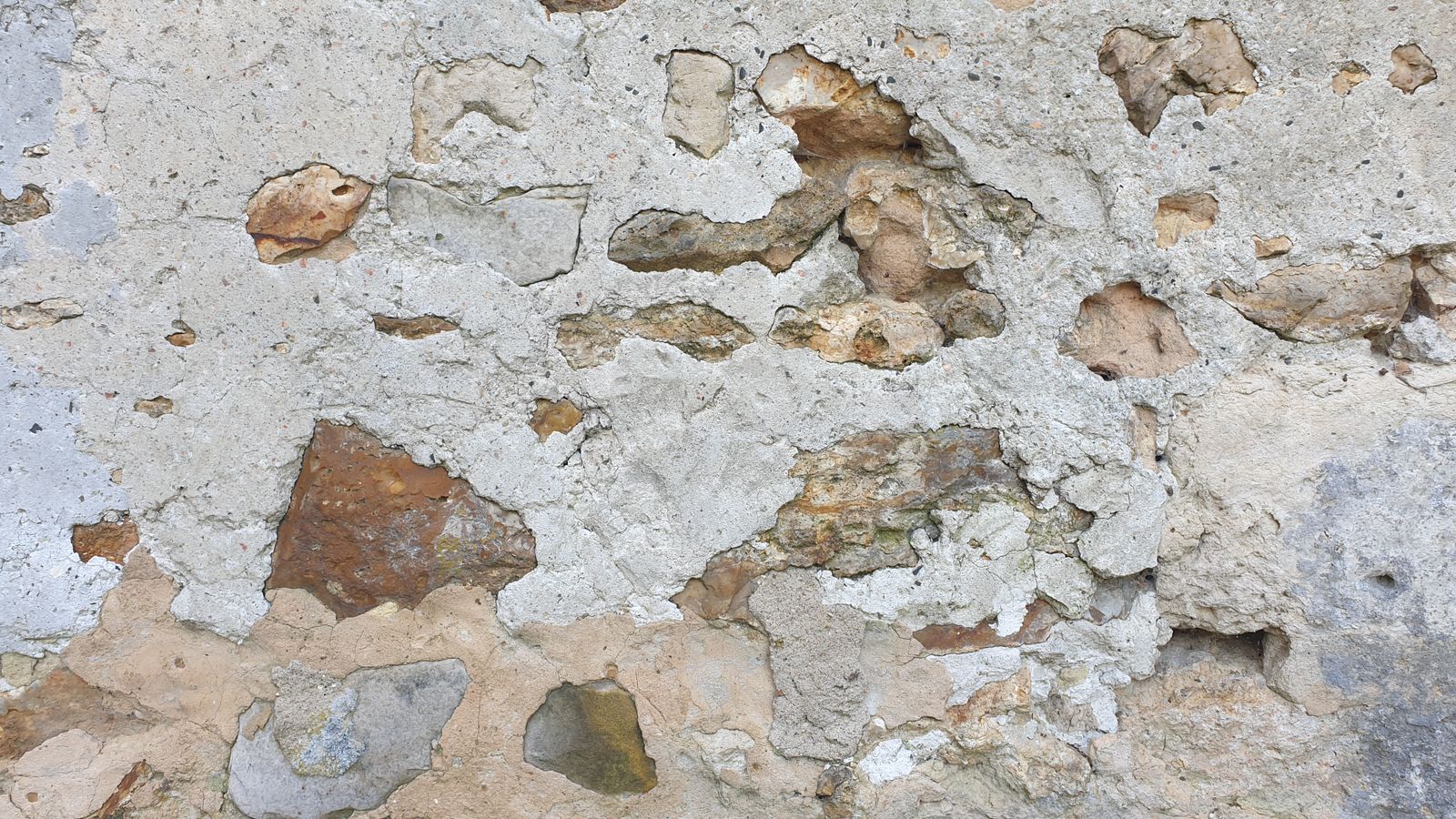
2. Wind-Driven Mineral Abrasion: Sustained Washoe Zephyr wind events carry fine desert silica particles at speeds exceeding 45 MPH. This natural sandblasting effect creates micro-scratches on protective topcoats, eroding the coating's original dry-film thickness (DFT) year after year.
3. Severe Freeze-Thaw Expansion: During winter months, Reno frequently experiences 40-degree temperature swings in a single 24-hour cycle. Moisture trapped in microscopic hairline crevices freezes and expands by 9%, breaking adhesive bonds and forcing paint chips to flake away from the surface.
Why Prep Quality Determines How Long Paint Lasts
In architectural coatings, over 80% of premature coating failures stem directly from inadequate surface preparation rather than product defects. Applying even the highest-grade elastomeric paint over unwashed chalk, loose wood fibers, or unprimed masonry guarantees early delamination. True high-desert preparation requires an exhaustive, multi-step mechanical and chemical conditioning process: commercial hot-water pressure decontamination to eliminate efflorescence and calcified dust; deep carbide scraping of all failing edges; multi-grit mechanical feather-sanding to create a tactile mechanical anchor profile; and specialized deep-penetrating masonry or 100% acrylic bonding primers tailored to each specific substrate.
Backed by Our 10-Year Warranty
Because our methodology is engineered specifically for Nevada's demanding climate, MasterTrade Painters proudly guarantees every complete exterior restoration with our comprehensive 10-Year Transferable Warranty. Operating under Nevada Contractor's License #0091861, our licensed master tradespeople adhere strictly to manufacturer dry-mil thickness specifications, ASTM adhesion standards, and thorough multi-point quality audits on every project.
CLIMATE STRESS SIDEBAR
Reno Environmental Factors
Extreme UV Index (9.8 Peak)
Over 4,500 ft elevation increases UV penetration by 18%, accelerating binder oxidation.
Wind Abrasion (45+ MPH)
Washoe Zephyr winds drive desert silica particles against windward surfaces, eroding topcoats.
Freeze-Thaw Swings (60+ Cycles)
Rapid diurnal temperature shifts expand trapped moisture by 9%, breaking substrate adhesion.
PREP-WORK TIMELINE
The 4-Stage Preparation Standard
- 01. Wash: 3,000 PSI heated eco-decontamination to strip surface chalk.
- 02. Scrape: Precision tungsten carbide removal of all failing edges.
- 03. Sand: Mechanical feather-edging to profile substrate adhesion.
- 04. Prime: Substrate-matched deep penetrating 100% acrylic sealers.
Nevada Contractor's License #0091861
Class C-4 Painting & Decorating. Fully bonded, insured, and verified for 10-year warranty applications.